
In the first 24 hours of the assault on Iran, the US military struck more than 1,000 targets. That’s nearly double the scale of the “shock and awe” attack on Iraq over two decades ago. The difference? AI systems that speed up the targeting process. Chief among them is the Maven Smart System.
I’ve been following military AI for a while now, and this number caught my attention. 1,000 targets in a day is not just a scaling issue — it’s a fundamentally different way of fighting. You can’t do that with human analysts staring at screens, no matter how many you throw at the problem.
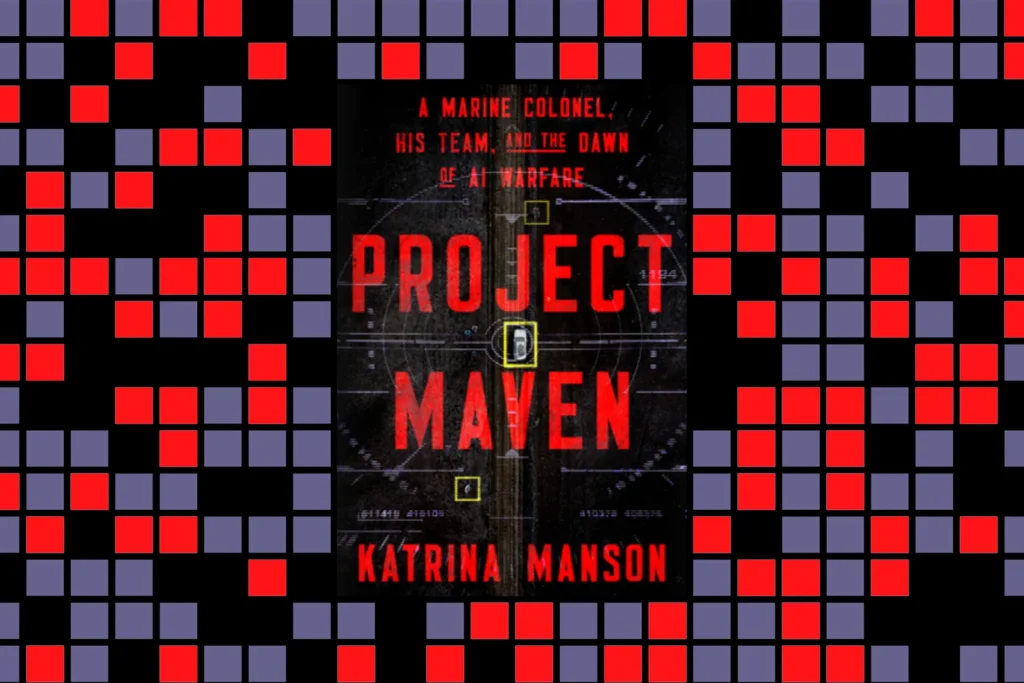
Katrina Manson’s new book, Project Maven: A Marine Colonel, His Team, and the Dawn of AI Warfare, digs into how we got here. She traces the project from its 2017 roots as an experiment in applying computer vision to drone footage. That’s where things got interesting — and controversial.
Remember the Google employee protests? Back in 2018, thousands of Google employees signed a letter demanding the company drop its work on Project Maven. They won, sort of. Google pulled out, and the military moved on to other contractors. But the project itself never stopped. It just got quieter.
Manson’s reporting suggests the military learned some hard lessons during that period. They realized they couldn’t just hand a black-box AI system to soldiers and expect it to work. The targeting process needed human judgment, but at a speed that humans alone couldn’t match.
What emerged was the Maven Smart System — a tool that doesn’t replace human decision-making but accelerates it. Analysts still review targets, but the AI handles the grunt work of scanning hours of drone footage and flagging potential threats. The system has been refined through years of use in counterterrorism operations, and by the time Iran came into focus, it was ready for prime time.
The numbers from that first day are staggering. But here’s what I find more interesting: the military’s attitude shift. Back in 2017, there was genuine skepticism about AI in combat. Now? It’s hard to find a senior officer who doesn’t see AI as essential. Project Maven didn’t just build a tool — it changed a culture.
Manson’s book apparently doesn’t shy away from the ethical questions either. How much autonomy should AI have in targeting? What happens when the system makes a mistake? These aren’t theoretical questions anymore. They’re playing out in real time.
I haven’t read the full book yet, but the excerpt I’ve seen suggests Manson is more interested in documenting what happened than in taking a side. That’s probably the right approach for now. We’re still figuring out what AI warfare means, and we need clear-eyed reporting more than we need polemics.
One thing is certain: the genie isn’t going back in the bottle. The US military has seen what AI can do, and they’re not going to unsee it. The question now is how other nations respond, and whether we can build any kind of guardrails before this becomes the new normal.
Comments (0)
Login Log in to comment.
Be the first to comment!