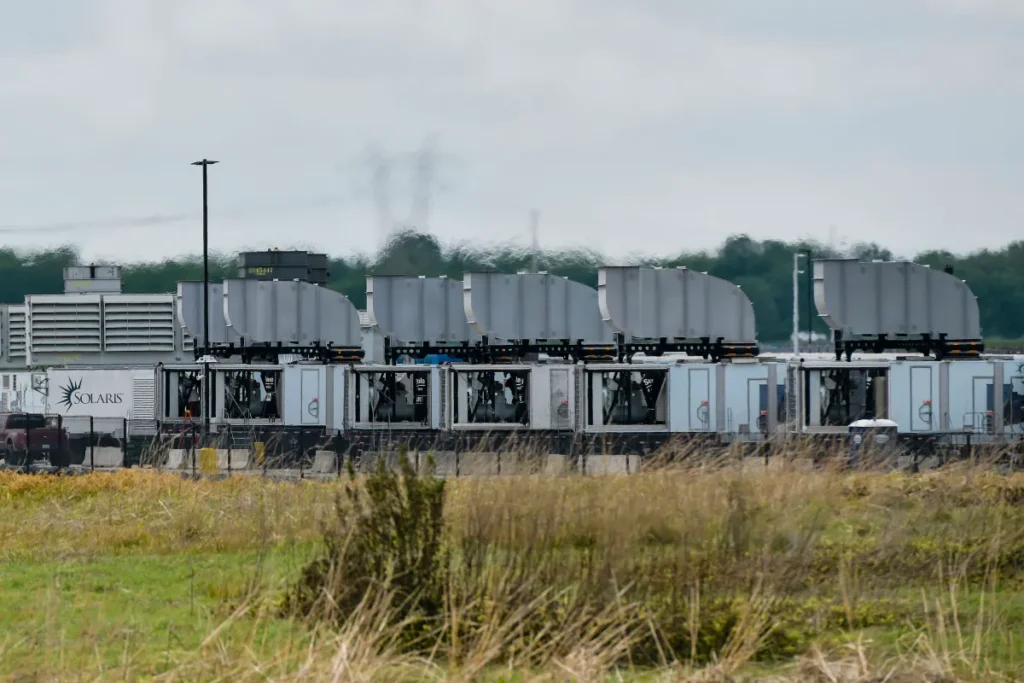

Maine Governor Janet Mills just vetoed a bill that would have put the brakes on new data centers across the state — the first statewide moratorium of its kind in the country.
The bill, L.D. 307, would have frozen approvals for new data center construction until November 1, 2027. That’s a long pause, and it would have sent a clear signal: not so fast, AI boom.
Data centers are the physical backbone of AI. Every time you prompt a model, stream a video, or run a cloud app, somewhere a warehouse full of servers is sucking down power and water. The environmental footprint is real, and it’s growing fast. Maine’s legislators were trying to get ahead of that.
But Mills wasn’t having it. In her veto message, she argued that a blanket moratorium would scare off investment and jobs, especially in rural parts of the state that could use the economic boost. She’s not wrong — data centers bring construction work, tax revenue, and sometimes even ancillary businesses.
The tension here is the same one playing out everywhere: AI infrastructure versus local environmental impact. Data centers are energy hogs, often requiring new power plants or grid upgrades. They also consume massive amounts of water for cooling. Communities are starting to push back, and Maine’s bill was the most aggressive attempt yet.
I get why Mills vetoed it. A moratorium is a blunt instrument. It doesn’t differentiate between a well-designed, energy-efficient facility and a slapped-together server farm. It just says no to everything. That’s not great policy if you want to attract responsible development.
But the underlying concern isn’t going away. Data center energy demand is projected to double by 2030. If states don’t figure out smarter regulation — zoning rules, efficiency standards, water usage limits — we’re going to see more of these all-or-nothing battles.
Maine isn’t the first state to have this fight, and it won’t be the last. Virginia’s been wrestling with data center sprawl for years. Oregon and Washington have seen similar pushback. The difference is Maine’s bill would have been the first statewide freeze, which would have set a precedent.
For now, the moratorium is dead. But the debate is very much alive. Expect more states to try their own versions — and expect the industry to fight them hard.
Comments (0)
Login Log in to comment.
Be the first to comment!