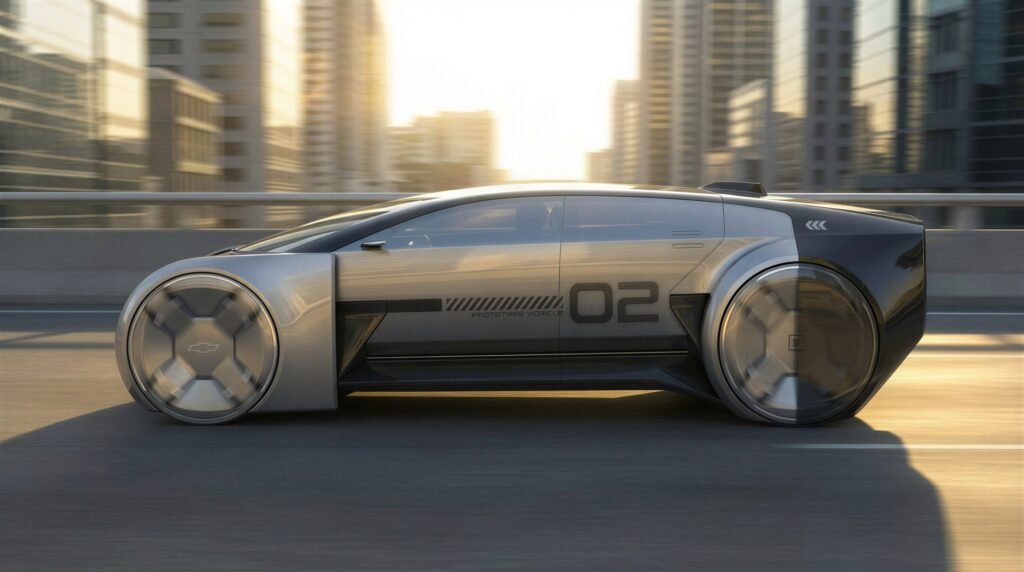

The auto design world is drowning in fancy tools. VR sculpting, real-time rendering, digital clay — you name it, someone’s selling it. Yet most new cars still start life the same way they did 50 years ago: as a sketch on paper.
Those sketches get passed around, refined, redrawn from every angle, then painstakingly translated into 3D models by hand. Some of those models live only in a hard drive. Others get carved into actual clay so designers can walk around them and squint at the reflections. That whole process — sketch to clay to production — takes five years or more.
Which means the shiny new cars hitting dealerships this summer? They were first drawn in 2020 or 2021, back when “alternative fuel incentives” were still a thing people argued about. That’s a hell of a lag.
Enter generative AI. Not the kind that writes your emails, but the kind that can take a rough sketch and spit out a fully realized 3D model with realistic lighting, material properties, and aerodynamics baked in. A few automakers have been quietly experimenting with this for a couple of years, but now we’re seeing the first production-ready designs that were conceived and refined entirely with AI assistance.
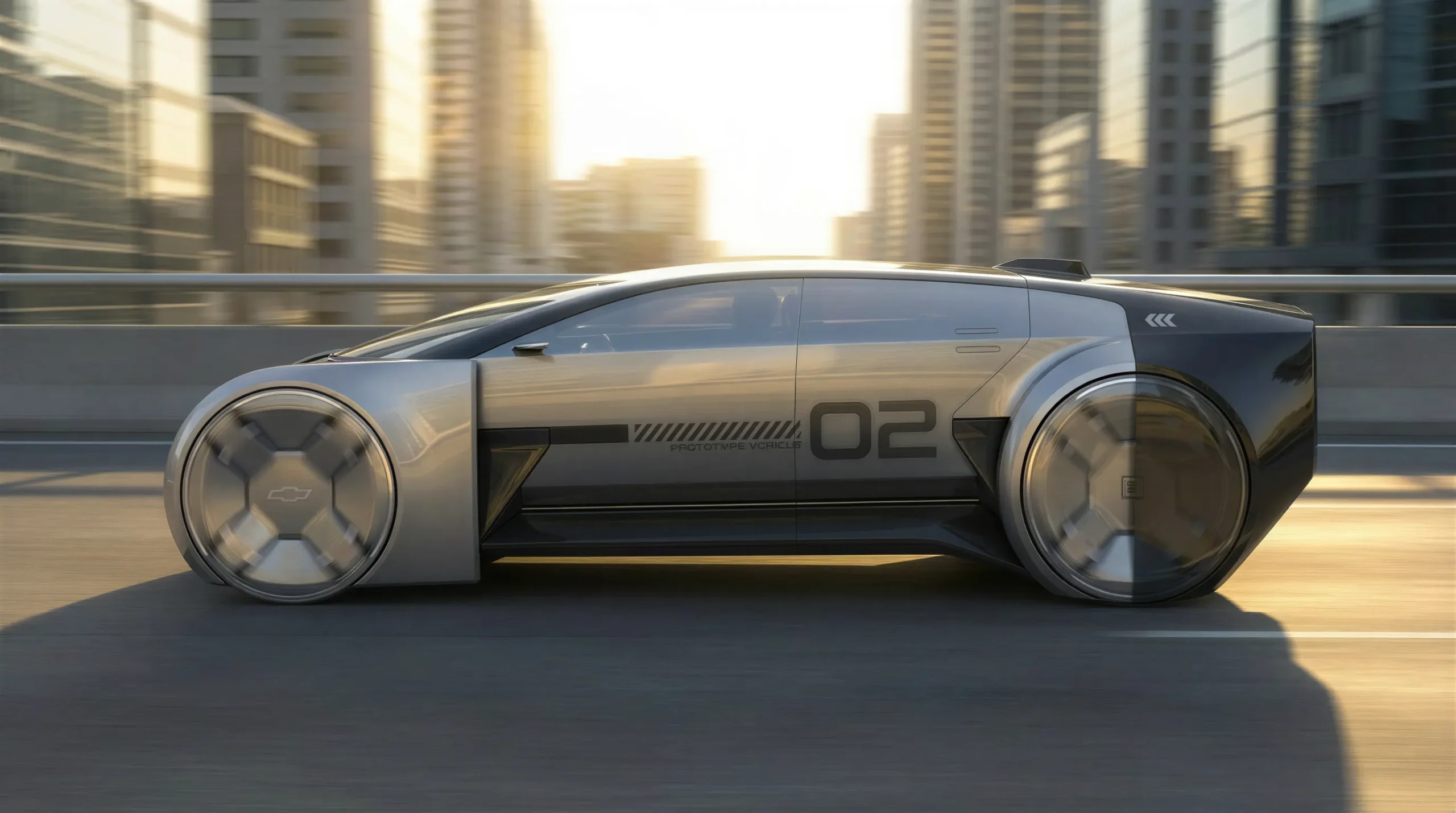
The results are… surprisingly good. No weird uncanny valley stuff. No melting headlights or floating wheel arches. The AI seems to have absorbed decades of design language and figured out what works. It’s not trying to reinvent the wheel — it’s just making the wheel faster to iterate.
The biggest win? Speed. What used to take weeks of back-and-forth between designers and clay modelers can now happen in hours. You change a curve, the AI updates the body panel, the wind tunnel data adjusts automatically. That’s not just convenient; it changes what’s possible. Small teams can explore hundreds of variations before breakfast.
Of course, there’s the usual pushback. Design purists argue that the “soul” of a car comes from human intuition, from the happy accidents that happen when a designer’s hand slips or a clay model catches the light just right. I get that. I’ve seen beautiful cars that were clearly labored over by someone who cared deeply. But I’ve also seen plenty of mediocre cars that took five years to make. Speed doesn’t automatically kill quality.
The real test will be the first fully AI-designed production car hitting the road. Word is a couple of European brands are already past the concept stage and into engineering validation. If those cars look good and drive well, the debate is over. If they don’t, the clay sculptors can keep their jobs a little longer.
Either way, the sketch-and-clay era is on notice. The AI car isn’t coming — it’s already here, it’s just not wearing a badge yet.
Comments (0)
Login Log in to comment.
Be the first to comment!