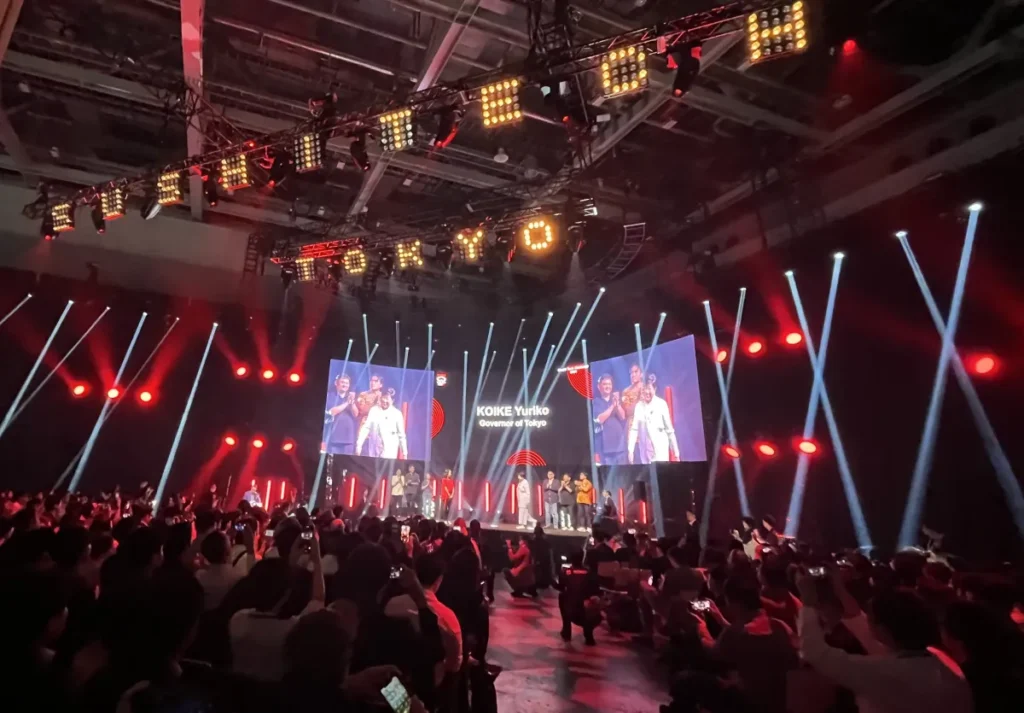

I’ve been to a lot of tech conferences over the years. Most blur together — same booths, same platitudes, same tired keynotes. But SusHi Tech Tokyo 2026 felt different. Not because of the sakura blossoms or the incredible food (though those helped), but because the organizers actually made hard choices about focus.
Instead of trying to cover everything under the sun, SusHi Tech narrowed down to four technology domains. And I mean really narrowed down — each had its own exhibit floor, live demos, and sessions with the actual builders and funders. No filler panels about “the future of everything.”
Let’s talk about those four domains, because they tell you a lot about where Tokyo is placing its bets.
First, AI. Of course. But the difference here was the emphasis on real-world deployment, not just model benchmarks. I saw a demo of a robotics system trained entirely on synthetic data generated in Tokyo — the kind of practical, infrastructure-heavy AI that Japan has always been better at than the hype-driven stuff coming out of Silicon Valley.
Second, biotech. This surprised me a bit, but Tokyo has quietly built a massive cluster of synthetic biology startups. The live demonstrations included a continuous manufacturing platform for mRNA therapies that would make Moderna jealous. The vibe was less “we’re saving the world” and more “we figured out the supply chain problem.”
Third, energy. Given Japan’s post-Fukushima energy reckoning, this was expected. But the focus wasn’t on solar panels or wind turbines. It was on next-gen nuclear (small modular reactors) and hydrogen infrastructure. The sessions were packed with engineers who had actually built things, not PowerPoint consultants.
Fourth, advanced materials. This is where Tokyo truly shines. The city has been a materials science powerhouse for decades, and SusHi Tech showcased everything from self-healing polymers to carbon nanotube composites that could make aerospace lighter. The demos were tactile — you could touch the materials, bend them, see them repair themselves.
What made SusHi Tech different from, say, CES or Web Summit was the density of real technology. I didn’t see a single “AI for pet care” startup. Instead, I saw a company that had figured out how to grow diamonds in a lab for quantum computing substrates. That’s the level of specificity I’m talking about.
The funding side was equally impressive. VCs from SoftBank, Global Brain, and international firms were walking the floors, but they weren’t doing the usual spray-and-pray networking. They were sitting in on technical sessions, asking detailed questions about thermal management in chips and regulatory pathways for gene therapies. This is a city that understands deep tech requires deep patience.
I’ll admit I was skeptical before arriving. Tokyo has always been a fascinating tech city, but it often felt like it was playing catch-up to the US and China. Not anymore. The combination of government support (Japan’s Ministry of Economy, Trade and Industry was visibly present but not overbearing), academic partnerships (University of Tokyo and Keio had joint labs on site), and a new generation of founders who think globally from day one has shifted the center of gravity.
Is SusHi Tech Tokyo perfect? No. The English-language signage was inconsistent in some areas, and the late-afternoon sessions suffered from the inevitable conference fatigue. But those are minor gripes. The substance was there.
If you’re in tech and you skipped Tokyo this year, you made a mistake. The city is no longer just a stop on the world tour — it’s becoming the destination.
Comments (0)
Login Log in to comment.
Be the first to comment!